
 Madan Chauhan
Imagine waking up in orbit, watching Earth rotate beneath you while floating in zero gravity. What once sounded like science fiction is rapidly becoming reality. The shift from government-controlled space stations to commercial space stations in 2026 and beyond marks one of the most important transitions in human space exploration.
For decades, the International Space Station (ISS) has been the center of human activity in space. But now, private companies are stepping in to build next-generation space habitats designed for research, tourism, and business.
This transition is not just technological—it is economic, scientific, and deeply transformative.
🔍 Core Companies Leading the Commercial Space Race
1. Axiom Space – The First Real Commercial Station
Why Axiom Space Matters
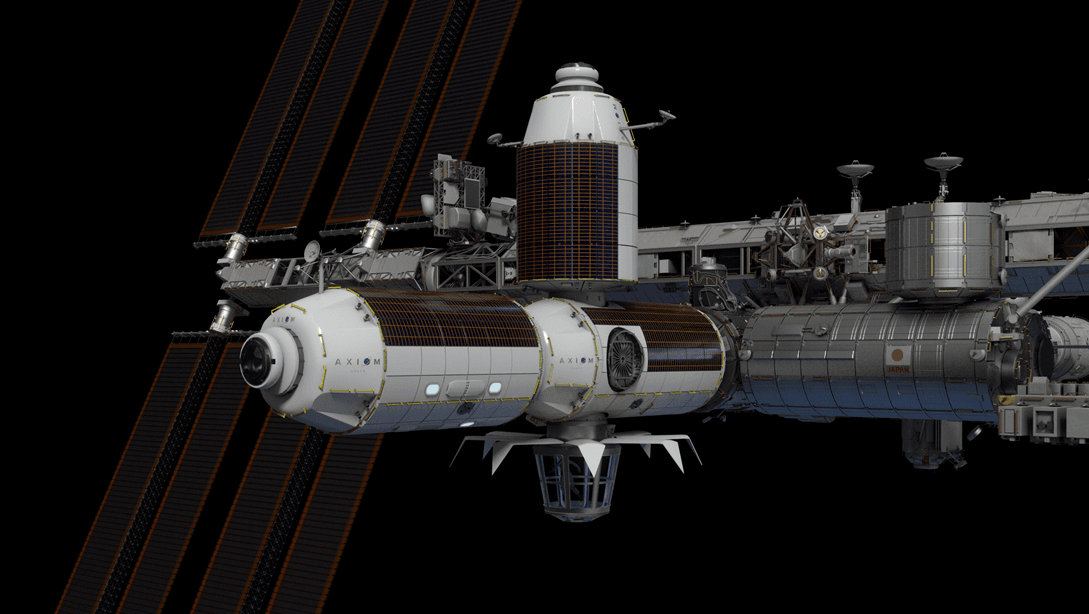
Axiom Space is currently the most advanced player in the commercial station race.
Key Highlights:
- Building modules that attach to the ISS first
- Gradually forming a standalone station (Axiom Station)
- Successfully launched private astronaut missions
This gives Axiom something rare in this industry: real operational credibility.
2. Blue Origin (Orbital Reef) – The Business Park in Space

What Makes Orbital Reef Unique
Orbital Reef is not just a space station—it is designed as a full economic ecosystem in orbit.
Features:
- Built with Sierra Space
- Focus on business, research, and tourism
- Modular design for scalability
Think of it as the first “space industrial park.”
3. Northrop Grumman – Engineering-Driven Approach
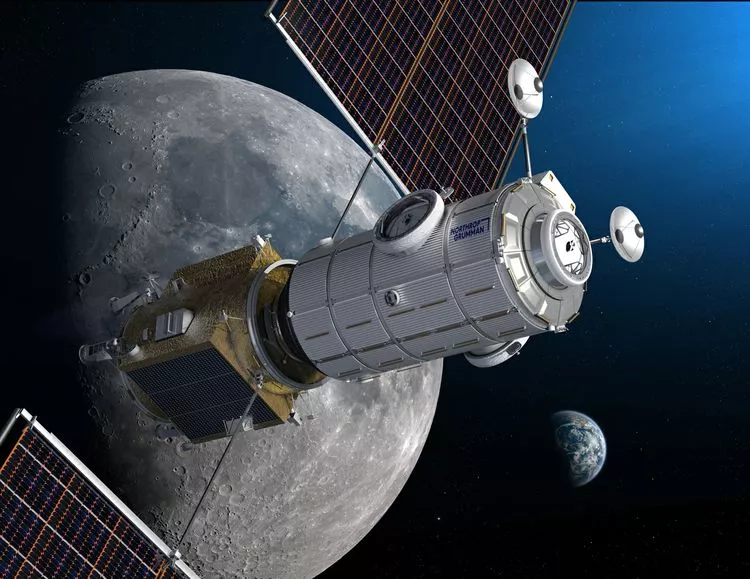

Strengths:
- Deep NASA partnerships
- Proven logistics via cargo missions
- Focus on reliability over hype
Northrop represents the backbone engineering side of this industry.
💼 Business Models of Commercial Space Stations
1. Space Tourism Industry Growth
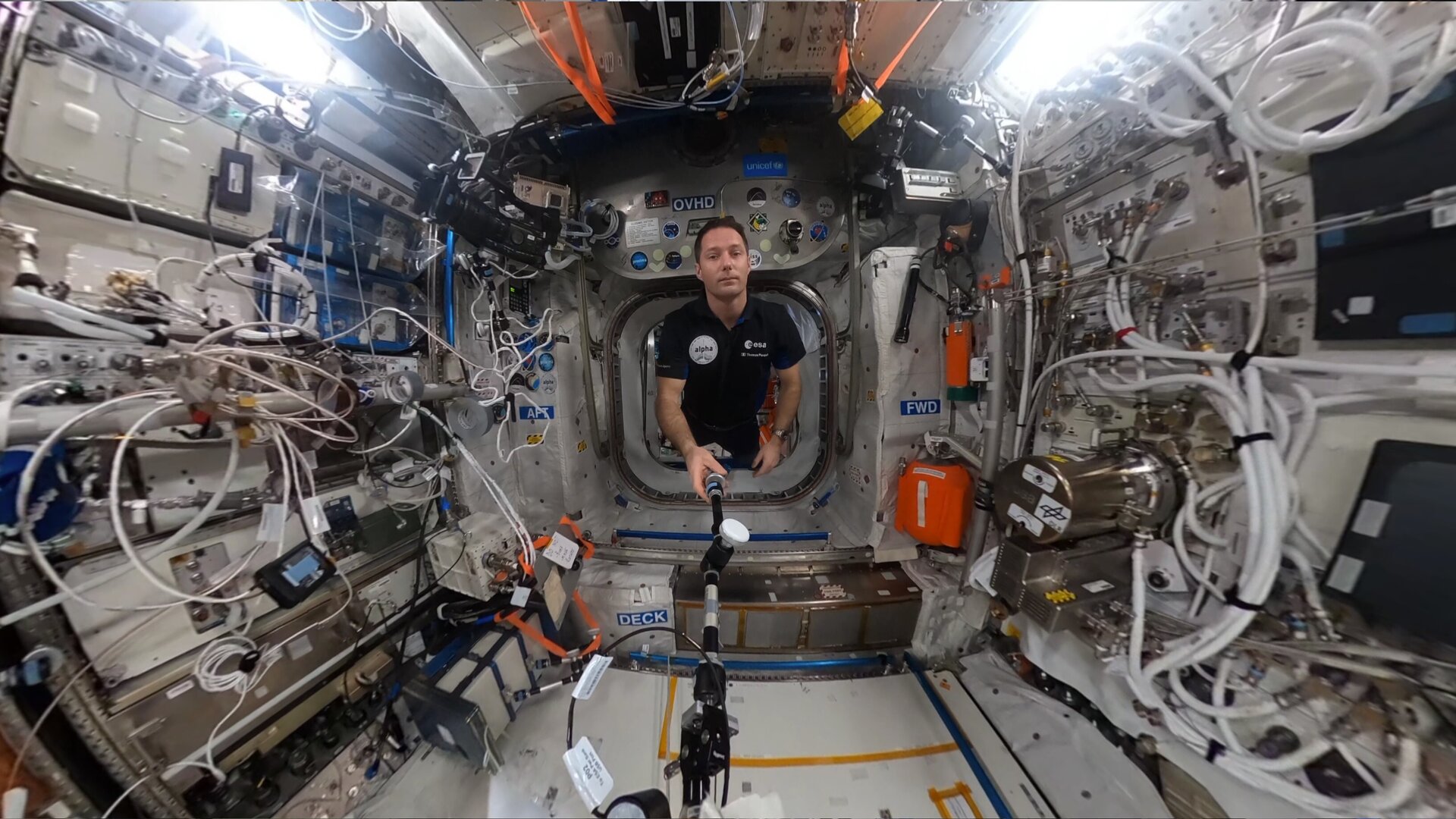
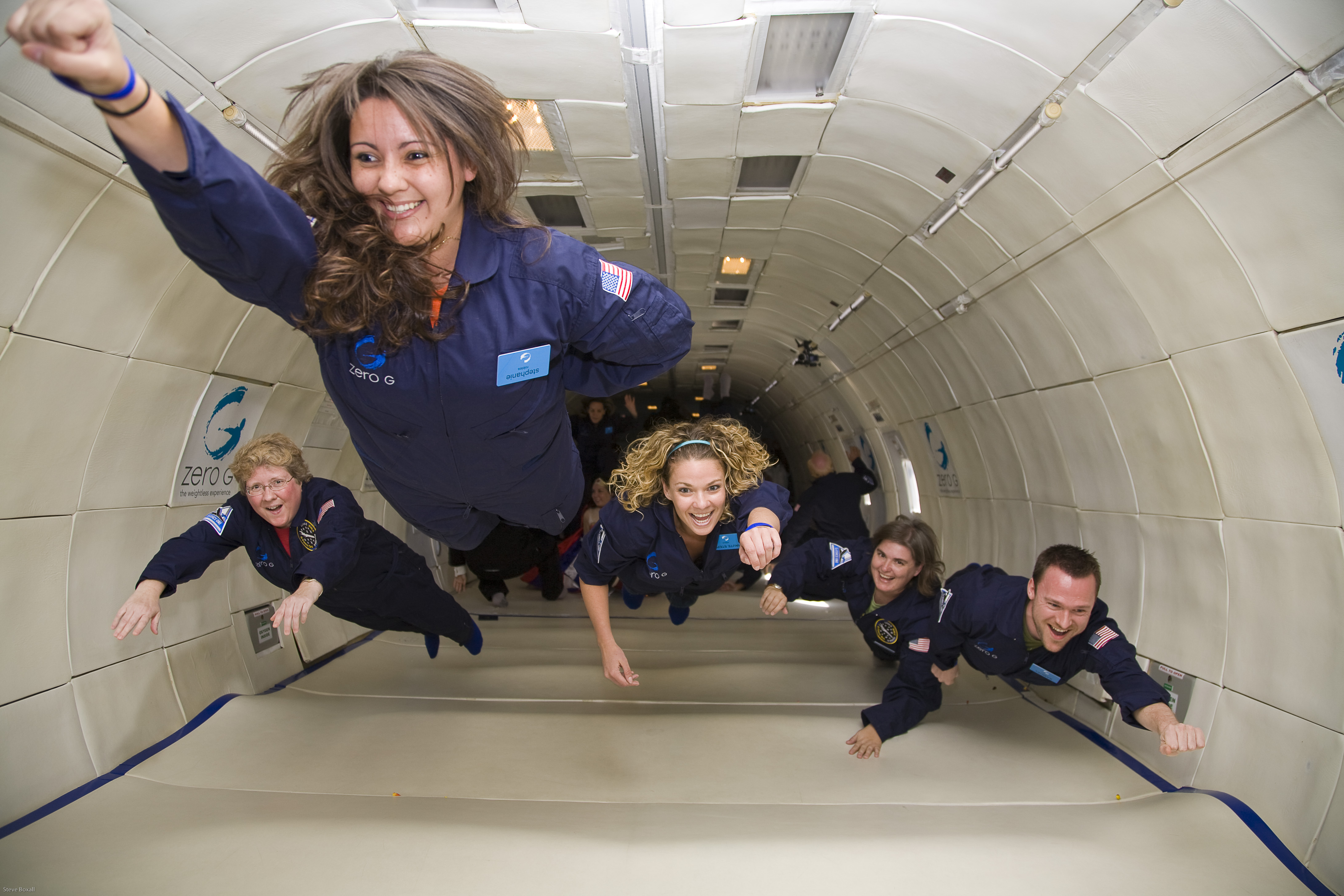
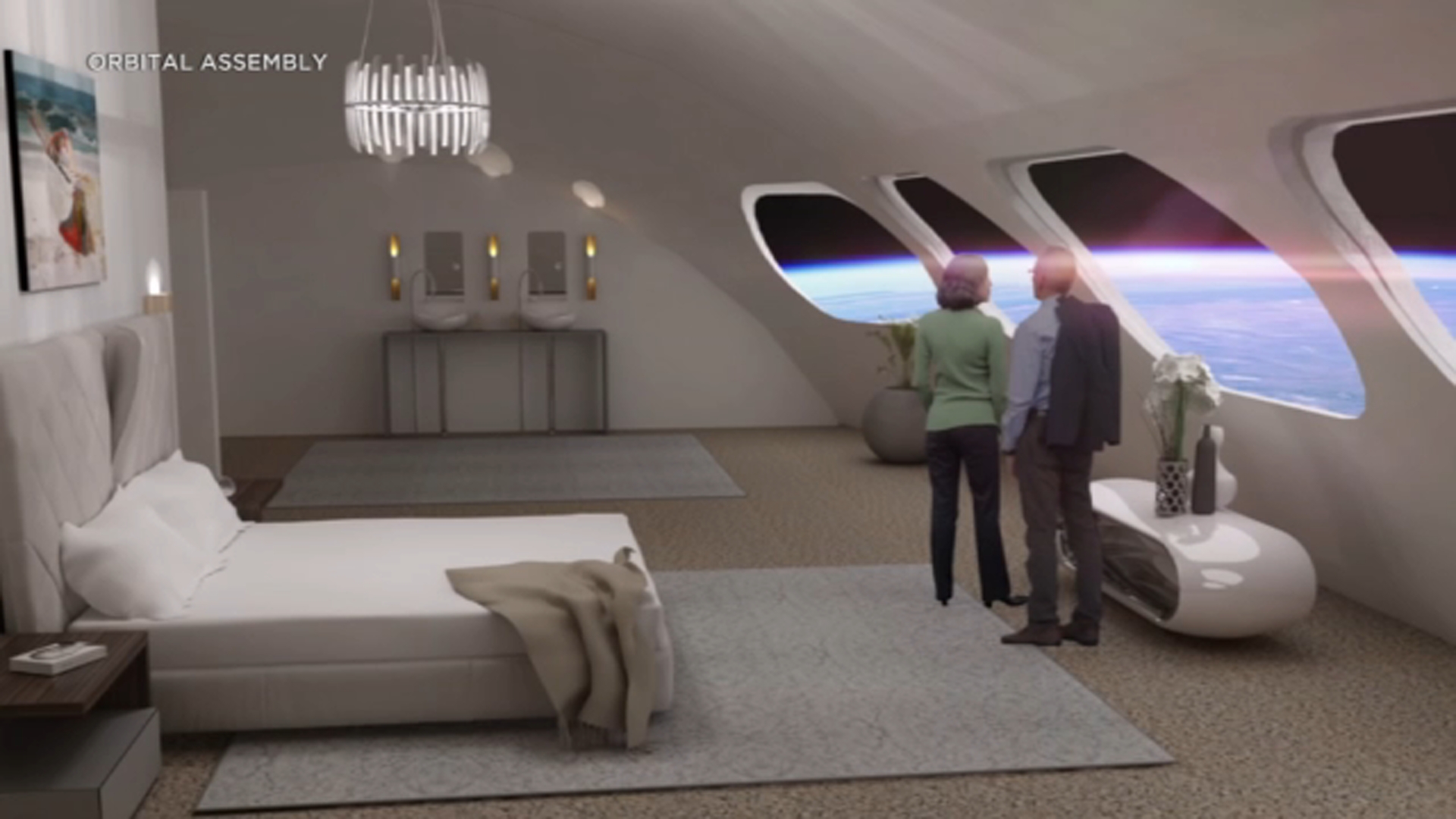
What You Need to Know:
- Ticket cost today: $50M+
- Stay duration: 7–14 days
- Customers: ultra-high-net-worth individuals
Future Outlook:
As launch costs drop (thanks to reusable rockets), prices may decrease—but slowly.
2. Microgravity Research Benefits
Microgravity enables experiments that are impossible on Earth.
Key Applications:
- Drug development
- Protein crystallization
- Cancer research
In zero gravity, molecules behave differently, allowing faster and more precise scientific breakthroughs.
3. Space Manufacturing Opportunities
This is one of the most underrated sectors.
What Can Be Made in Space:
- High-quality fiber optics
- Advanced semiconductors
- Exotic materials
These products can have higher quality than Earth-made equivalents.
4. Government Contracts
Even private stations depend heavily on agencies like NASA.
Why This Matters:
- Stable funding
- Long-term contracts
- Reduced financial risk
This is what makes commercial stations financially viable in early stages.
⚙️ Biggest Challenges Facing Commercial Space Stations
1. Life Support Systems Complexity
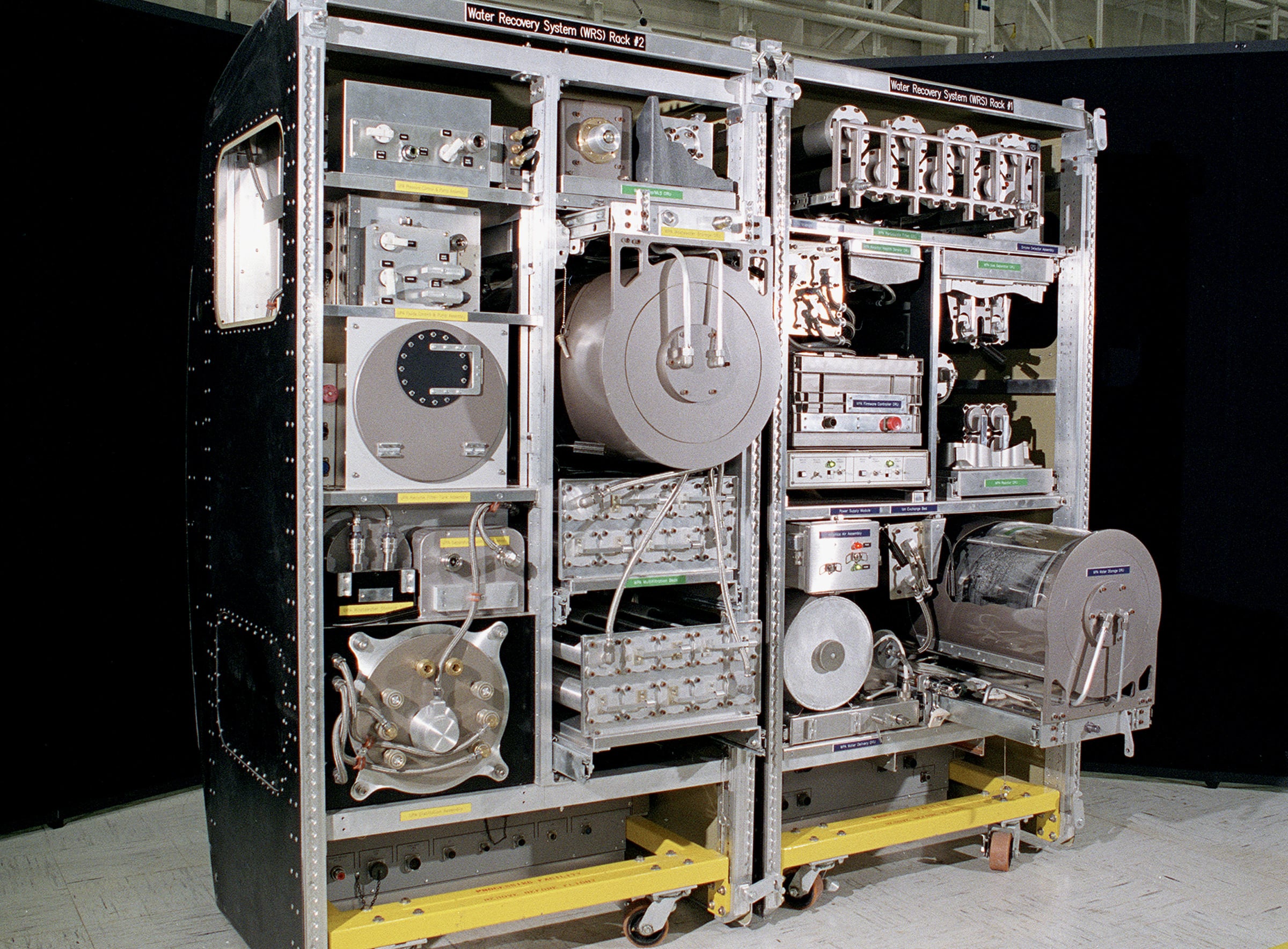
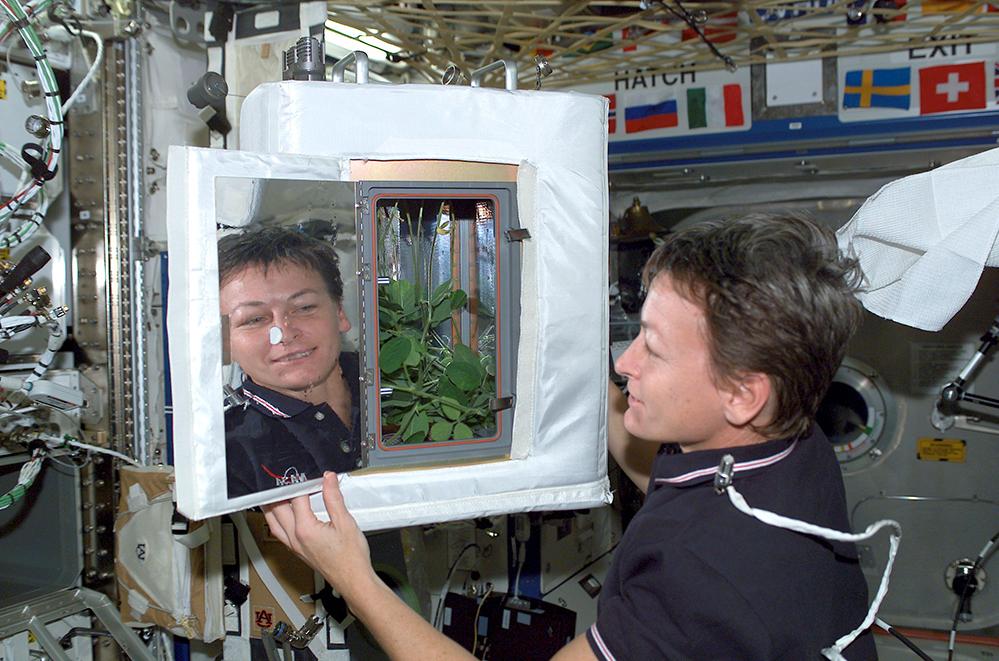
Key systems include:
- Oxygen generation
- Water recycling
- Waste management
These systems must operate flawlessly for long durations.
2. Space Radiation Risks
Space radiation exposure is a major problem.
Challenges:
- Increased cancer risk
- Damage to electronics
- Need for heavy shielding
Solving this is critical for long-term habitation.
3. High Costs and Launch Dependency
Even with reusable rockets:
- Launch remains expensive
- Infrastructure costs are massive
Companies rely heavily on cost reduction innovations.
4. Human Psychology in Space
Living in space is mentally challenging.
Issues:
- Isolation
- Confinement
- Lack of natural environment
Future stations must prioritize human-centered design.
🧪 Future Research Opportunities in Space

High-Potential Areas:
- Organ printing
- Space farming
- AI robotics testing
- Materials science
This is where real scientific breakthroughs will happen.
⏳ Timeline: When Will This Become Reality?
Realistic Projection:
- 2026–2028: Early modules operational
- 2028–2032: Partial commercialization
- 2030+: Scaled research and tourism
Avoid hype—this is a gradual transition, not overnight change.
💸 Can Normal People Go to Space?
Current Reality:
- Only billionaires can afford it
Future Possibility:
- Prices may drop
- Still expensive for decades
Comparison:
Just like early aviation, space travel may eventually become accessible—but not soon.
🧠 Conclusion: A New Space Economy Is Emerging
Commercial space stations are not just about tourism—they represent the beginning of a new space economy.
From research breakthroughs to industrial manufacturing, these platforms will redefine how humanity interacts with space.
The biggest question is no longer “Can we live in space?”
It is now: “Who will lead this new frontier?”
❓ FAQ Section
Q: What are commercial space stations?
A: Privately built and operated space habitats used for research, tourism, and manufacturing.
Q: When will commercial space stations be available?
A: Initial operations are expected between 2026 and 2030.
Q: How much does space tourism cost?
A: Currently over $50 million per trip.
Q: Which companies are leading the industry?
A: Axiom Space, Blue Origin, and Northrop Grumman.
Q: Why is microgravity research important?
A: It enables faster and more accurate scientific experiments.
Q: Can normal people travel to space soon?
A: Not yet—costs remain extremely high.
💬 Final Thought
If space becomes the next economic frontier, who do you think will dominate it—private companies or governments? And would you personally pay to experience life in orbit if prices dropped in the future?
