 Madan Chauhan
For the past few years, general-purpose large language models (LLMs) amazed the world.
They could:
- Write essays
- Answer questions
- Generate code
- Chat like humans
But in 2026, a clear limitation has emerged:
General LLMs know a little about everything — but not enough about what truly matters in specific industries.
Healthcare, finance, law, engineering, manufacturing, biotech, and government all require:
- Extreme accuracy
- Deep domain knowledge
- Regulatory awareness
- Predictable behavior
This is why Domain-Specific Language Models (DSLMs) are becoming the next major evolution after general LLMs.
What Are Domain Specific Language Models (DSLMs)?
Simple Definition (Non-Technical)
Domain-Specific Language Models (DSLMs) are AI language models trained or fine-tuned for one specific industry or domain, instead of the entire internet.
Think of it like this:
General LLM = general doctor
DSLM = specialist surgeon
Both are intelligent — but only one is trusted in critical situations.
DSLMs vs General LLMs (Clear Comparison)
| Feature | General LLMs | DSLMs |
|---|---|---|
| Training Data | Broad internet | Curated domain data |
| Accuracy | Good | Very high |
| Hallucinations | Higher risk | Much lower |
| Compliance | Weak | Strong |
| Cost Efficiency | Expensive at scale | Optimized |
| Trust Level | Moderate | High |
👉 DSLMs trade breadth for depth — and that’s exactly what businesses want.
Why DSLMs Are the Next Wave After General LLMs
1. Accuracy Matters More Than Creativity
In creative writing, being almost right is fine.
In medicine, law, or finance, it’s dangerous.
DSLMs:
- Use verified datasets
- Understand domain terminology
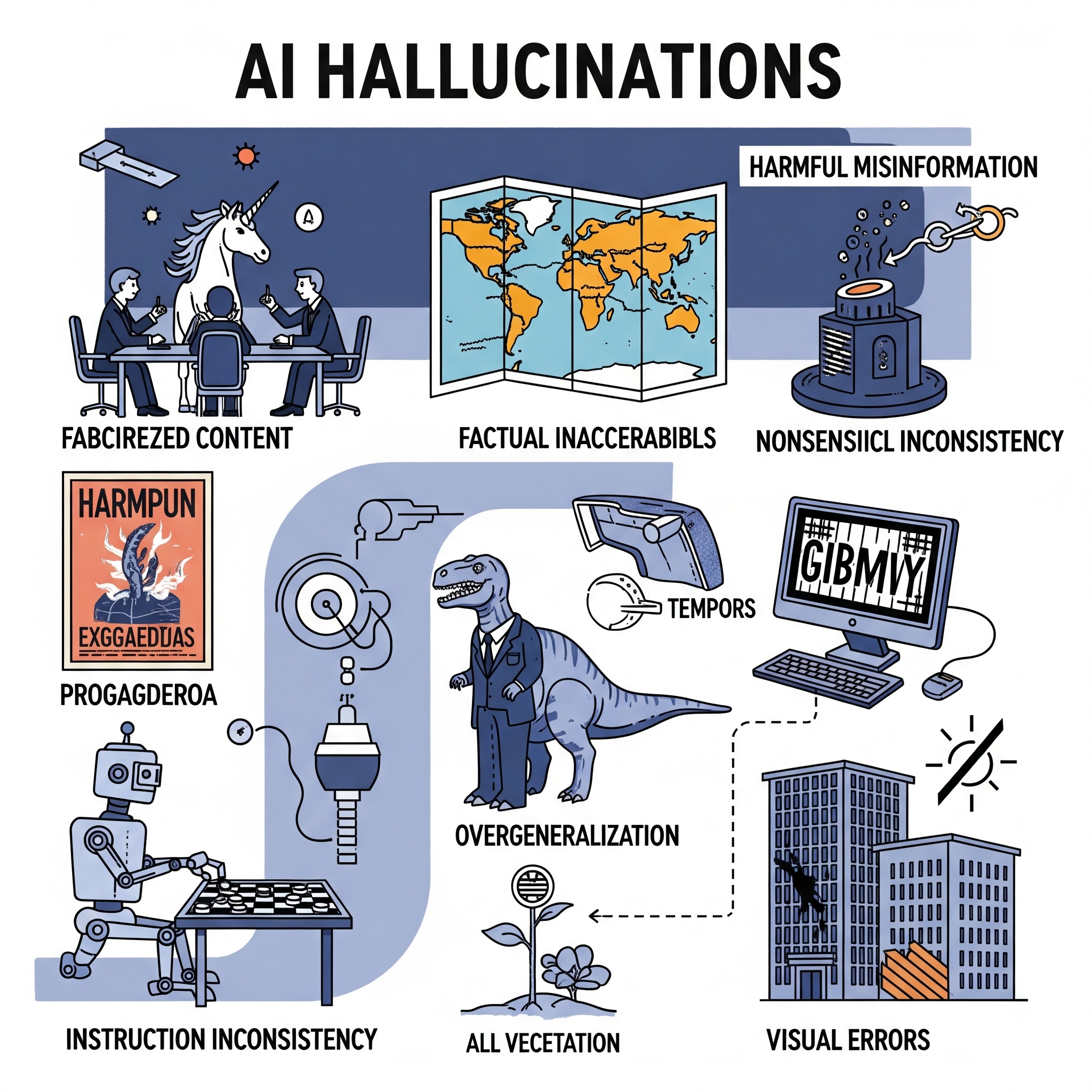
- Reduce hallucinations dramatically
2. Regulations Are Forcing Specialization
Industries now face:
- Data privacy laws
- Model transparency requirements
- Auditability standards
General LLMs struggle here.
DSLMs are designed with compliance in mind.
3. Lower Cost, Higher Efficiency
A smaller, focused DSLM can:
- Outperform a massive general LLM
- Use fewer tokens
- Run on cheaper infrastructure
This is critical for enterprise-scale AI adoption.
Real-World Examples of DSLMs by Industry
🏥 Healthcare DSLMs
- Trained on medical literature
- Understand clinical language
- Respect patient data boundaries
Used for:
- Clinical decision support
- Medical documentation
- Drug discovery assistance
⚖️ Legal DSLMs
- Trained on case law and statutes
- Understand jurisdiction-specific rules
- Avoid creative “guessing”
Used for:
- Contract analysis
- Legal research
- Compliance monitoring
💰 Finance DSLMs
- Trained on financial filings
- Understand accounting standards
- Detect risk patterns
Used for:
- Fraud detection
- Risk analysis
- Financial reporting
🏭 Manufacturing & Engineering DSLMs
- Understand technical manuals
- Read schematics and logs
- Predict failures
Used for:
- Predictive maintenance
- Quality control
- Process optimization
Who Is Building Domain Specific Language Models?
Major AI players are already shifting strategy.
Companies like OpenAI, Google, Microsoft, and Anthropic increasingly support fine-tuning, private models, and domain adaptation.
At the same time, enterprises are building internal DSLMs using proprietary data — a major competitive advantage.
DSLMs vs Fine-Tuned LLMs: Are They the Same?
Short answer: Not exactly.
- Fine-tuned LLMs → general models adjusted for a task
- DSLMs → designed from the start for a domain
DSLMs often:
- Use domain-specific vocabularies
- Apply stricter safety rules
- Remove irrelevant knowledge entirely
The Security & Privacy Advantage of DSLMs
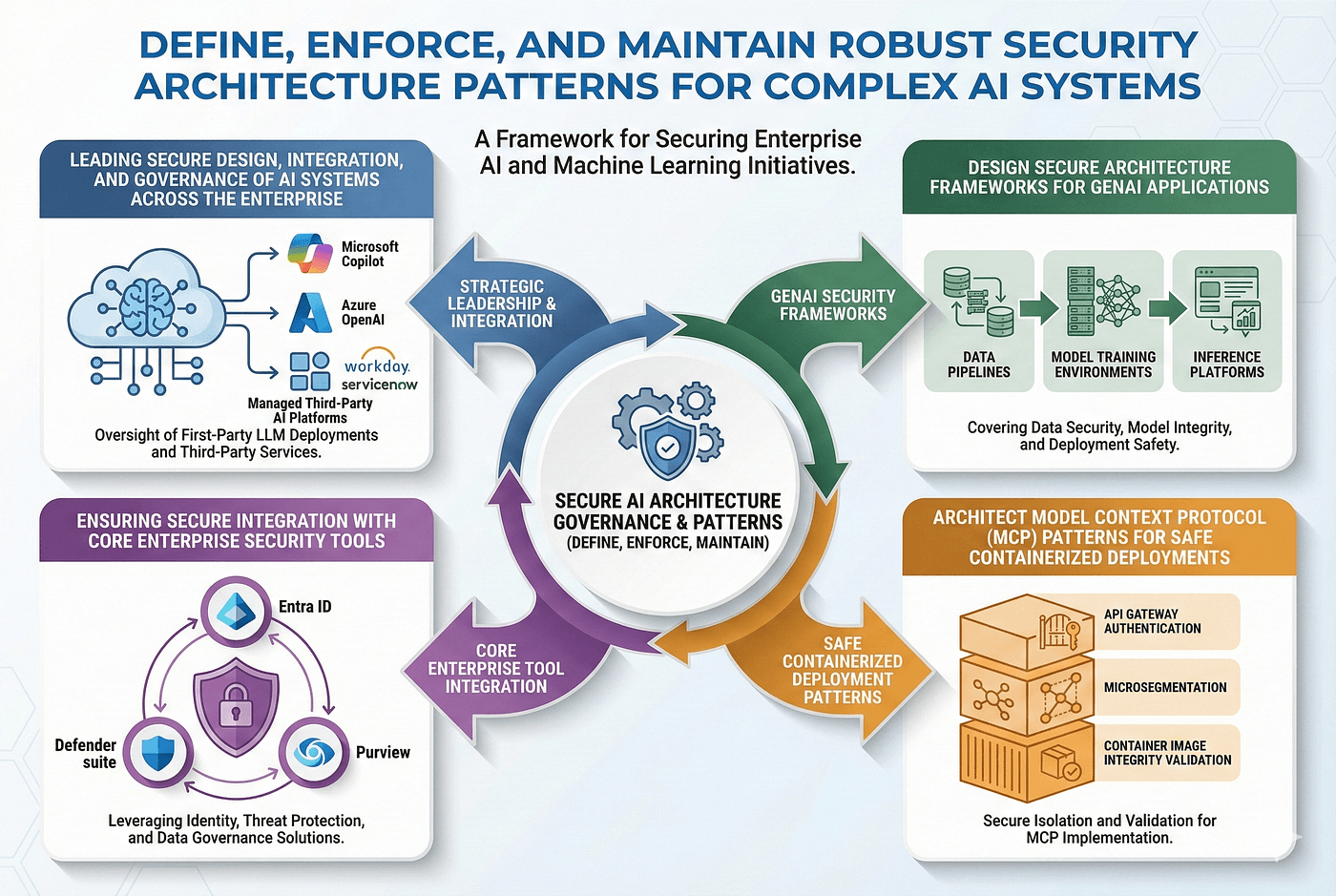
DSLMs improve security by:
- Limiting data exposure
- Reducing cross-domain leakage
- Supporting on-prem or private cloud deployment
For regulated industries, this is non-negotiable.
How DSLMs Reduce AI Hallucinations
Hallucinations happen when:
- Data is too broad
- Context is unclear
- Model “fills gaps” creatively
DSLMs solve this by:
- Narrowing the knowledge scope
- Reinforcing trusted sources
- Penalizing speculation
Result: More boring answers — but far more reliable ones.
DSLMs and Agentic Workflows: A Powerful Combination
When DSLMs are used inside agentic workflows:
- Agents make better decisions
- Automated actions are safer
- Errors scale less dangerously
In 2026, the smartest systems combine:
Agentic AI + Domain-Specific Models
Will DSLMs Replace General LLMs?
No — they will coexist.
- General LLMs → creativity, brainstorming, education
- DSLMs → execution, compliance, operations
Think of general LLMs as the front desk, and DSLMs as the specialists behind the scenes.
How Businesses Should Decide: LLM or DSLM?
Ask these questions:
- Is accuracy critical?
- Is compliance required?
- Is data sensitive?
- Is the task repetitive and operational?
- Does hallucination create risk?
If yes to most → DSLMs are the right choice.
The Future of Domain Specific Language Models (2026–2030)
Expect:
- Smaller but smarter models
- Industry-specific AI marketplaces
- Government-certified DSLMs
- Hybrid general + domain systems
- DSLMs embedded directly into software
The future of AI is not just bigger models —
it’s smarter specialization.
Frequently Asked Questions (FAQ)
Q: Are DSLMs cheaper than general LLMs?
A: Often yes, because they are smaller and more efficient.
Q: Can startups build DSLMs?
A: Yes, especially using fine-tuning and open-source bases.
Q: Do DSLMs eliminate hallucinations completely?
A: No, but they significantly reduce them.
Q: Are DSLMs only for enterprises?
A: Mostly today — but tools are becoming more accessible.
Q: Will DSLMs work offline or on-premise?
A: Many are designed specifically for that.