
 Madan Chauhan
In 2026, AI is no longer limited by ideas — it is limited by computing power.
Large language models, real-time video generation, autonomous agents, robotics, and scientific AI all demand massive, continuous, and ultra-fast computation. Traditional cloud servers simply cannot keep up.
This is where AI supercomputing platforms enter the picture.
For non-technical readers, the term may sound intimidating. But the idea is simple:
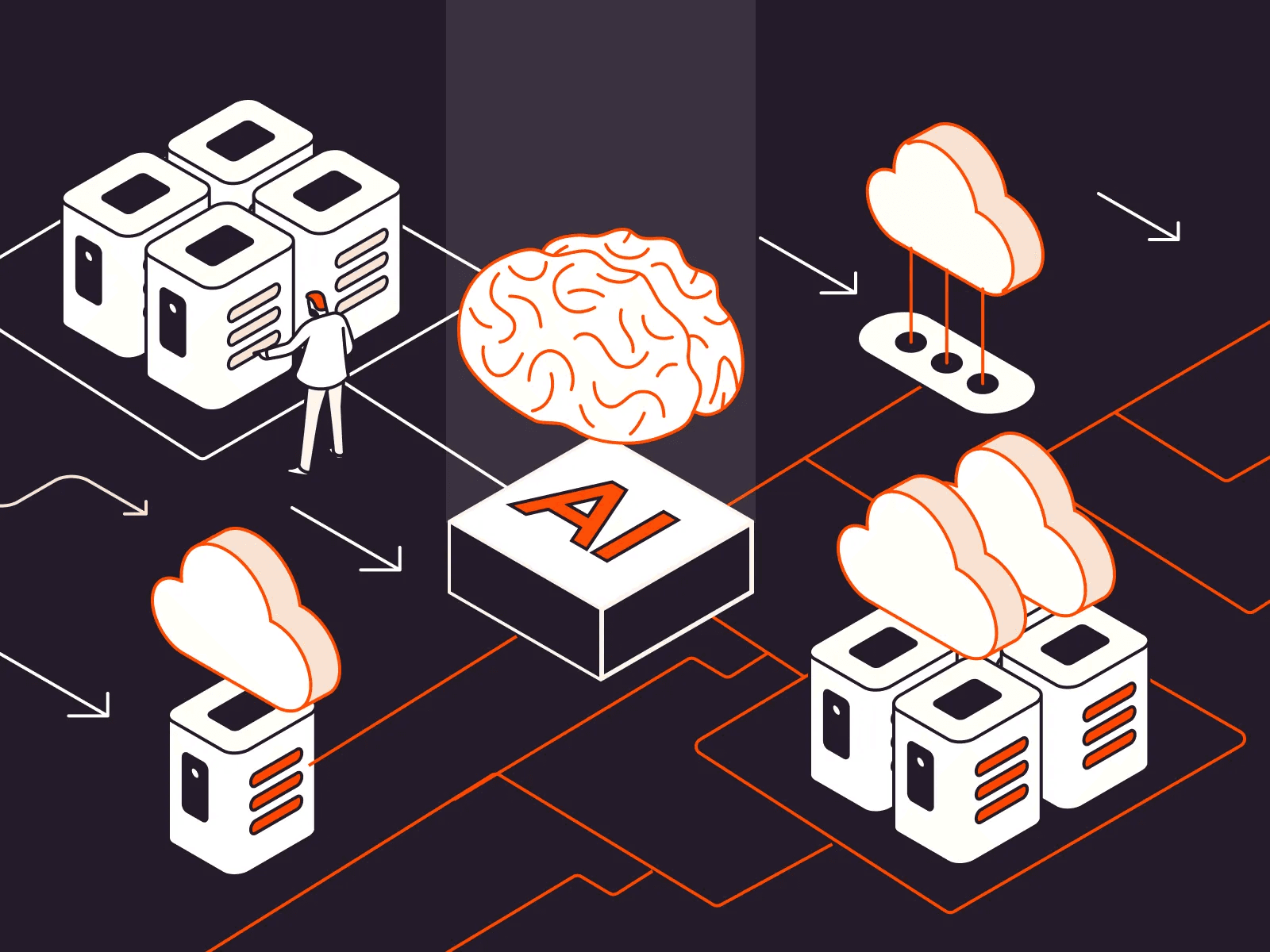
AI supercomputing platforms are purpose-built systems that combine CPUs, GPUs, AI chips, ultra-fast networking, and software into one unified engine designed specifically to run AI at massive scale.
In this guide, I’ll break it down visually, simply, and practically — no PhD required.
What Are AI Supercomputing Platforms? (AI Supercomputing Explained Simply)
A Simple Definition
AI supercomputing platforms are integrated computing environments designed to train, fine-tune, and run large AI models efficiently by combining:
- CPUs (general processing)
- GPUs (parallel AI workloads)
- AI ASICs (specialized chips)
- High-speed interconnects
- Advanced cooling and power systems
- AI-optimized software stacks
Unlike traditional supercomputers used for physics or weather simulations, AI supercomputers are optimized for neural networks.
AI Supercomputing Platforms vs Traditional Cloud Computing
| Feature | Traditional Cloud | AI Supercomputing Platforms |
|---|---|---|
| Compute | CPUs + limited GPUs | Thousands of GPUs + ASICs |
| Networking | Standard Ethernet | Ultra-fast NVLink / InfiniBand |
| Optimization | General workloads | AI-first workloads |
| Scale | Elastic but fragmented | Massive, tightly integrated |
| Latency | Moderate | Extremely low |
| Energy Efficiency | Average | Optimized for AI density |
👉 Key takeaway: AI supercomputing platforms are not just “bigger clouds” — they are entirely redesigned for AI workloads.
Core Components of AI Supercomputing Platforms
1. GPU Mega-Clusters
At the heart of AI supercomputing platforms are GPU clusters — often thousands of GPUs acting as one system.
Leaders include:
- NVIDIA (H100, B200, Blackwell)
- AMD
- Intel
GPUs handle the matrix math that AI models rely on.
2. AI ASICs (Specialized AI Chips)
Many AI cloud platforms now integrate custom AI chips to reduce cost and power usage.
Examples:
- Google TPUs
- Amazon Trainium & Inferentia
- Meta in-house accelerators
3. Ultra-Fast Interconnects
AI models don’t run on one chip — they run across thousands.
That’s why AI supercomputing platforms use:
- NVLink
- InfiniBand
- Custom optical networking
This allows GPUs to share memory and gradients almost instantly.
4. Power & Cooling at Extreme Scale
AI supercomputers consume megawatts of power.
To survive:
- Liquid cooling
- Immersion cooling
- AI-optimized power delivery
Without these, chips would literally melt.
Why AI Supercomputing Platforms Matter in 2026
1. AI Models Are Exploding in Size
- GPT-scale models → trillions of parameters
- Video, audio, robotics → multimodal AI
- Continuous retraining → nonstop compute demand
Only AI supercomputing platforms can handle this economically and reliably.
2. AI Inference at Scale Is the New Bottleneck
Training is expensive — but inference at scale is the real challenge.
Millions of users querying AI simultaneously requires:
- Low latency
- High throughput
- Predictable performance
This is why AI cloud platforms 2026 are being rebuilt around supercomputing principles.
3. National & Economic Competition
AI supercomputing is now:
- A national security asset
- A scientific accelerator
- A business moat
Countries and corporations without access to AI supercomputing platforms will fall behind.
Who Is Building AI Supercomputing Platforms?
Hyperscalers
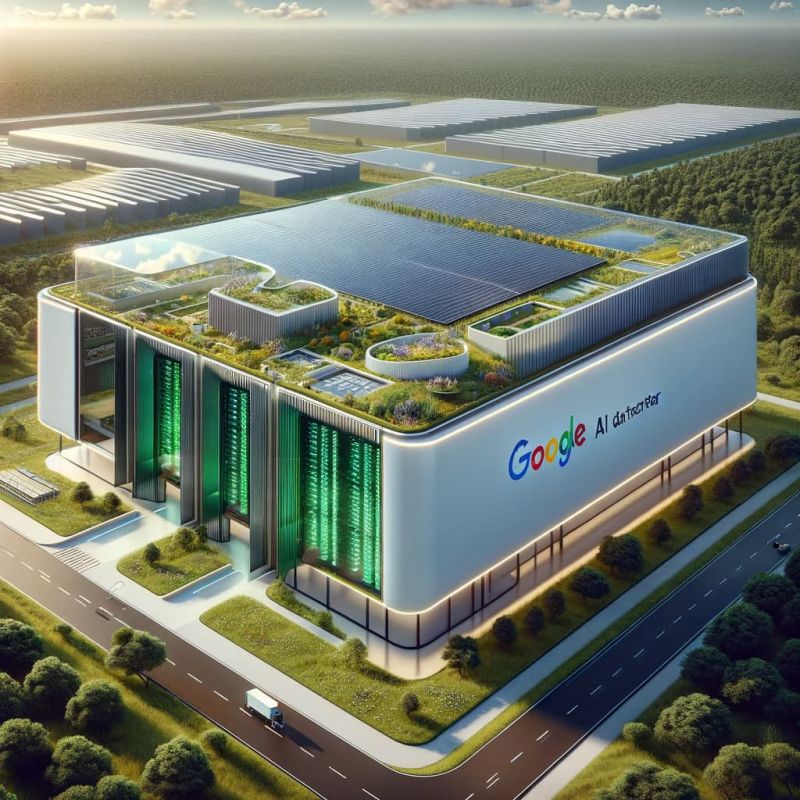
- Microsoft (Azure AI Supercomputer)
- Google Cloud
- Amazon Web Services
AI Native Players
- OpenAI
- Anthropic
- xAI
These companies design models around the supercomputer itself.
AI Supercomputing Platforms vs AI Clusters vs GPU Cloud
| Term | Meaning |
|---|---|
| GPU Cloud | Renting GPUs on demand |
| AI Cluster | Group of GPUs for AI tasks |
| AI Supercomputing Platform | Fully integrated AI-first system |
👉 AI supercomputing platforms are the evolution of all three combined.
Use Cases Driving AI Supercomputing in 2026
✔ Generative AI (Text, Image, Video)
✔ Autonomous Vehicles & Robotics
✔ Drug Discovery & Biology
✔ Climate Modeling
✔ Financial AI & Risk Analysis
✔ National Research Labs
What This Means for Startups & Students
You don’t need to own an AI supercomputer.
But you must:
- Understand how they work
- Design models efficiently
- Optimize inference costs
- Choose the right AI cloud platform
Future AI builders think in systems, not servers.
The Future of AI Cloud Platforms in 2026 and Beyond
Expect:
- Smaller but denser AI supercomputers
- Hybrid GPU + ASIC architectures
- AI-managed infrastructure
- Energy-aware AI scheduling
- Regional AI supercomputing hubs
AI supercomputing platforms will quietly become the operating system of the world.
Frequently Asked Questions (FAQ)
Q: Are AI supercomputing platforms only for big companies?
A: Mostly yes, but startups access them through AI cloud platforms.
Q: Is a GPU cluster the same as an AI supercomputer?
A: No. A supercomputing platform includes networking, software, power, and orchestration.
Q: Will AI supercomputers replace the cloud?
A: No — they are becoming the core of the cloud.
Q: Can universities access AI supercomputing platforms?
A: Increasingly yes, through government and cloud partnerships.
Q: Is this trend hype or real?
A: Real. AI progress now directly depends on supercomputing capacity.
